

Tags
Creators
Details
Licensed MIT
Published 6 months ago
Updated 9 hours ago
All versions
1.0.0
Fletcher's Trestle 1.0.0 [1.21.1]6 months ago 26
Uploaded by
Compatibility
Minecraft: Java Edition
Platform
Supported environments
Changes
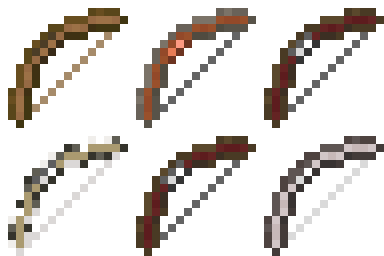
Stop "crafting" bows like they’re just wooden pickaxes. Fletcher’s Trestle turns bow-making into a true artisan craft. From the first shave of a log to the final high-tension stringing, your skill determines your power.
🪚 The Artisan's Workflow
Forget the 3x3 grid. This is how a real Bowyer works:
The Shaving Horse: Bolt a raw log onto this workstation and use a Drawknife to carve out the rough shape of your limbs. You’ll see the wood change right in front of you.

The Steam Box: Hardwood doesn't bend easily. Place your limbs over a campfire in the Steam Box to make them pliable. Keep an eye on the water level—steam is the secret to a snap-free draw!

The Assembly: Combine your limbs with a custom Riser (Wood, Copper, or Iron) and a String of your choice.
🎯 66 Ways to Shoot an Arrow
Why settle for one bow when you can have 66?
Modular Limbs: Every wood type matters. Spruce, Dark Oak, Mangrove, and even the twisted woods of the Nether (Crimson/Warped) offer different properties.

Material Tiers: Match your playstyle with Copper or Iron risers and reinforced High-Tension strings.
⚡ The "Sweet Spot" Minigame
Your bow is only as good as its tuning. When you assemble your weapon, you’ll face a high-stakes timing game.
Hit the Notch: Nail the randomized "Sweet Spot" to maximize your bow’s quality.
"Because a weapon you carved with your own hands just hits differently."