G.O.L.D.
Compatibility
Changes
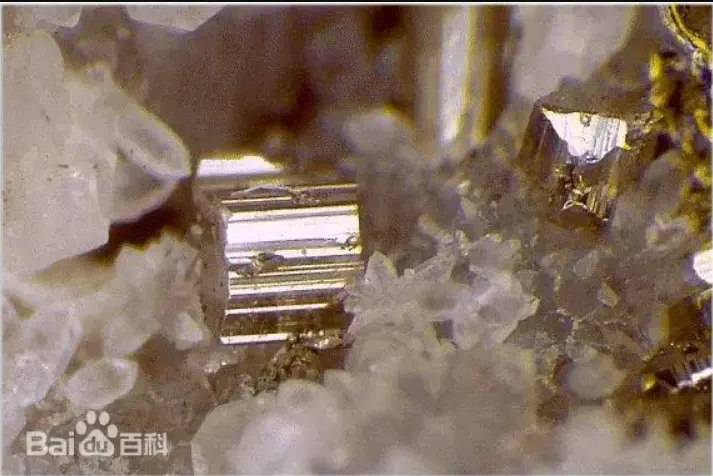
The tellurium gold deposit is a monoclinic column group. Soluble in nitric acid, it produces rust-colored gold precipitates. The world's famous production area is CrippleCreek in Colorado, USA. The tellurium gold mine, named after its origin, is the Stanislaus Mine in Calaveras County, California. Occurs from medium-low temperature hydrothermal veins, or late stage crystallization of medium to high temperature hydrothermal veins. In combination with natural gold, silver-gold ores, tellurium gold-silver ores and other tellurides. It is also combined with pyrite, galena, sphalerite, chalcopyrite and molybdate.
NOW WE HAVE GOLD!!! A single block yields 6 gold ingots!
Projects on Modrinth are automatically available through a Maven repository for use with JVM build tools such as Gradle. To learn more about the Modrinth Maven API, click here.
Note: When available, you should use the creator's maven repo instead as it will have transitive dependency information that the Modrinth Maven API does not. You may also end up with duplicate dependencies if you use a mix of Modrinth and non-Modrinth Maven repositories for your dependencies, because the group identifier will be different when served through the Modrinth Maven API.
Maven coordinates:
Version ID:
build.gradle:
repositories {
exclusiveContent {
forRepository {
maven {
name = "Modrinth"
url = "https://api.modrinth.com/maven"
}
}
// forRepositories(fg.repository) // Uncomment when using ForgeGradle
filter {
includeGroup "maven.modrinth"
}
}
}
// Standard Gradle dependency
dependencies {
implementation "maven.modrinth:ViKXj8IR:jyJCUIF2"
}
// Legacy Loom dependency
dependencies {
modImplementation "maven.modrinth:ViKXj8IR:jyJCUIF2"
}

