


Tags
Creators
Details
1.0
Compatibility
Required content
Changes


Make waterloggable blocks also be able to be lavalogged!
🤔 What is Lavalogged?
Lavalogged allows all vanilla Blocks that can be waterlogged to also be lavalogged, meaning that Lava can be put inside a Block just like Water for Waterloggable Blocks!
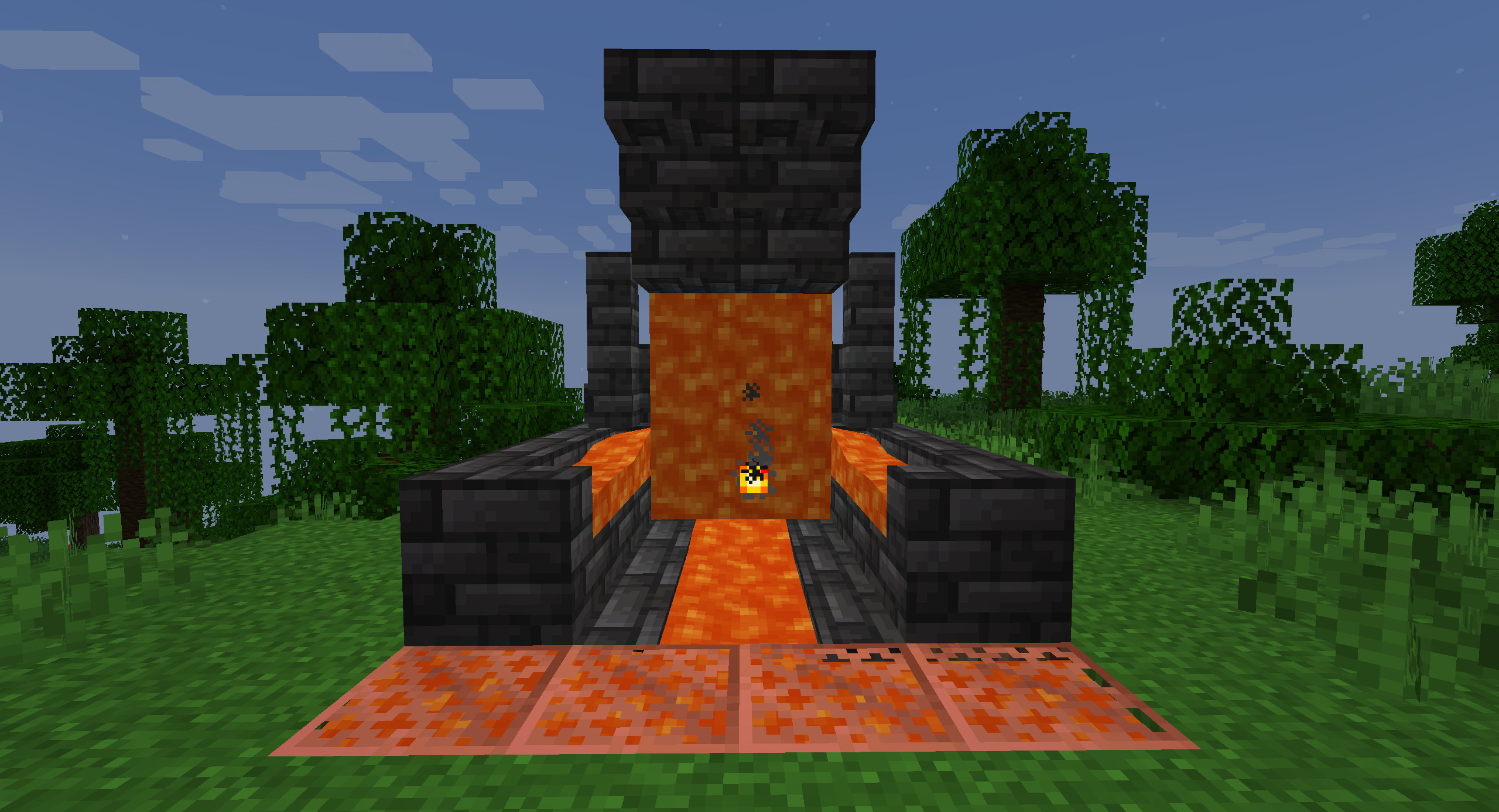
Just put the Block inside a Lava source or use a Lava Bucket on it to put Lava inside!
👨🏼💻 How to contribute
Anyone can contribute to Lavalogged, suggesting their ideas using the Feature Request module
⚙ Requirements
Lavalogged requires the Statement API Library Mod to work. This is a necessary requirement for adding custom properties to existing Blocks, and is also the reason why the mod has not been update to 1.21.1 yet.
📜 Future Updates
Future Updates may include, but not guaranteed:
- Removal of the Statement API Library Mod dependency
- Update to Minecraft 1.21.1
- Support for modded Blocks
🍺 Support the project
Developing and maintaining Lavalogged requires a lot of time and effort, but after all I really enjoy doing this ❤
Lavalogged is, and always will be, FREE TO USE.
If someone asked you some money to download Lavalogged, I am afraid to tell you that you got scammed! 😥
But if you really want to financially support the project (or just buy me some beer to produce more code), these are the only ways:


Any other website asking you money for this project is a scam, and you should immediately report it to your local authorities as well! 😡
😁 Conclusion
Lavalogging is a feature that many players dreams to be part of the game someday. With Lavalogged you can have this feature right now in your game!
I hope you enjoy Lavalogged as much as I enjoy develop new ideas and content for it, and let me know if there are any issues on the issue tracker.
Have a nice day! 😁