


1.0.0
Compatibility
Changes
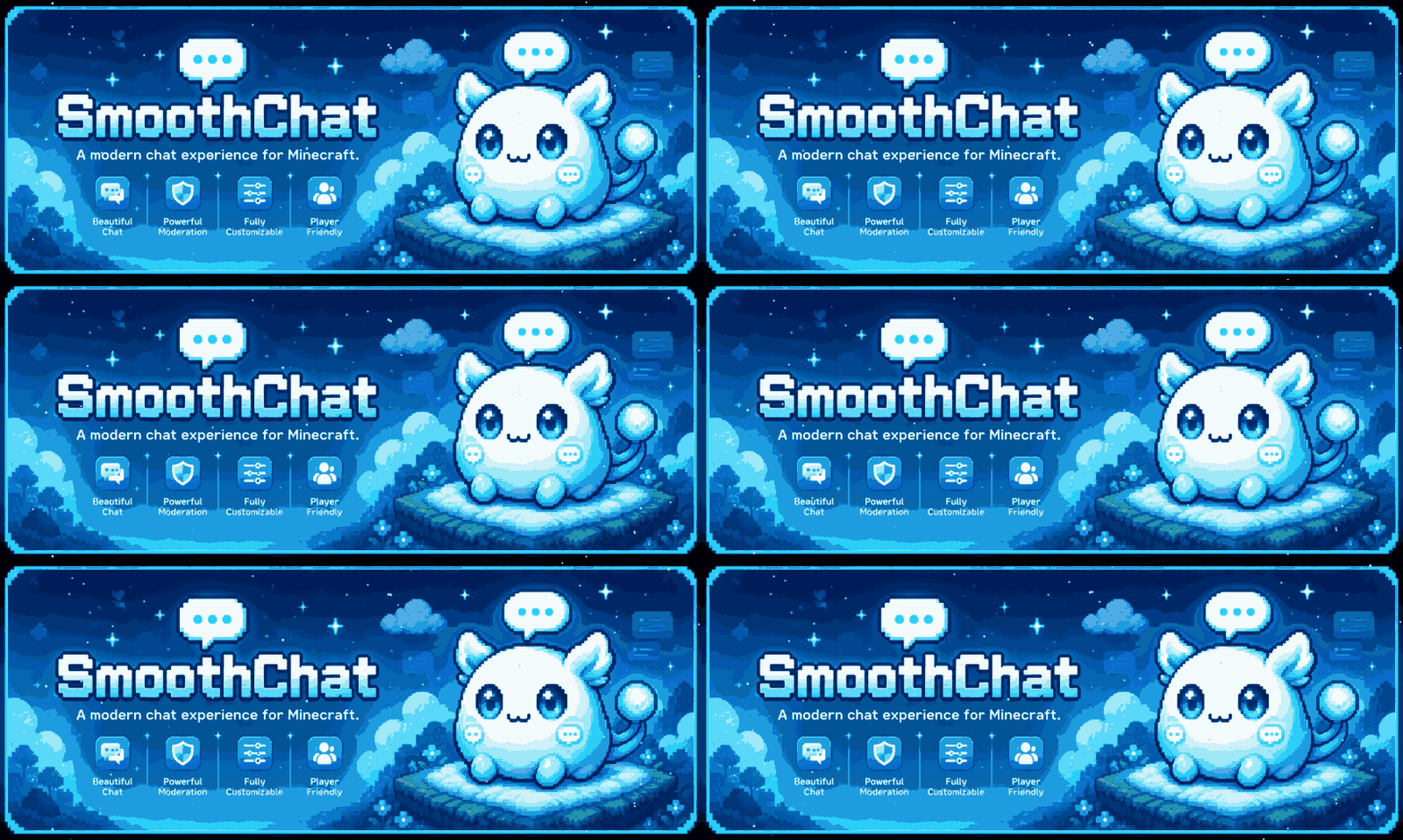
SmoothChat
Bring your Minecraft chat to life with silky-smooth animations.
SmoothChat is a lightweight client-side Fabric mod that transforms Minecraft's chat into a modern, polished experience. Instead of the default rigid movement, every interaction feels fluid, responsive, and satisfying.
Whether you're playing on survival servers, PvP, SMPs, or simply chatting with friends, SmoothChat makes every message feel alive without changing vanilla gameplay.

✨ Features
- 💬 Smooth slide-in animation for new messages
- 🎞️ Interpolated scrolling with buttery movement
- 🌙 Graceful fade-in effects
- ⚡ Lightweight and optimized
- 🧩 Fully client-side
- 🎮 Compatible with multiplayer servers
- 📦 No server installation required
Why SmoothChat?
Vanilla chat feels static and abrupt.
SmoothChat replaces those harsh transitions with natural motion inspired by modern user interfaces while keeping Minecraft's original style intact.
The result is a cleaner, more immersive chat experience that's comfortable to read during gameplay.
Performance
SmoothChat is designed to have minimal performance impact.
The animations are lightweight, efficient, and intended to feel smooth even during fast-paced gameplay.
Compatibility
- Fabric Loader
- Client-side only
- Works on any server
- No server plugins required
Perfect for
- Survival
- SMPs
- PvP
- Skyblock
- Minigames
- Content creators
- Players who enjoy polished UI improvements
🎨 Modern. Smooth. Vanilla-friendly.
SmoothChat doesn't reinvent Minecraft's chat—it simply makes it feel the way it always should have.
Smooth animations. Better readability. A cleaner Minecraft experience.
Supplementary resources
| File | Type | Size | |
|---|---|---|---|
| Sources ZIP.zip | Unknown | 3.88 MiB |