All versions
0.1
Wild Wonders 0.1last year 143
Compatibility
Minecraft: Java Edition
Platform
Supported environments
Changes

The cherry grove upgrade
New features
- added lealeaf a new decorational plant
- added cattails a new semi-aquatic decorational plant
Generation changes
- added podzol and coarse dirt as new parts to the ground generation of the cherry grove
- added bamboo generation to the cherry grove
- made more grass generate in the cherry grove
- added lealeaf generation to the cherry grove
- added cattail generation to the cherry grove near bodies of water
- fixed some bugs regarding pond generation in the cherry grove
- upgraded pond generation in the cherry grove
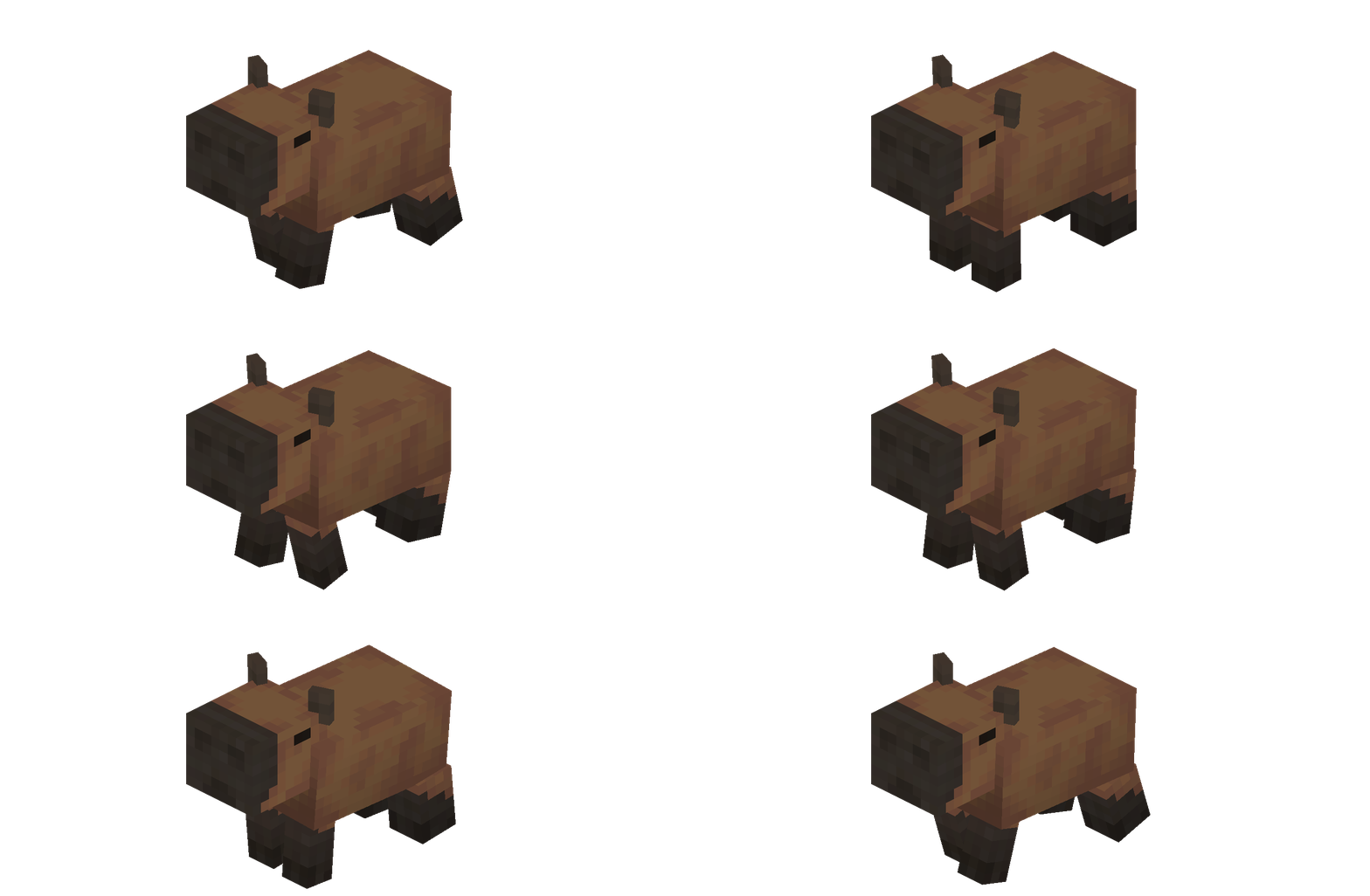
New capybara features
- added capybara spawning naturally in the cherry grove up to 10 blocks away from water in the cherry grove and jungle biomes
- added the feature to lay down to the capybara
- made that capybara be able to breed
breeds with:Carrots, bamboo, lealeaf plant, melon slices
- made the capybara pathfind to water to chill in
- made the capybara's head move
- added sounds to the capybara
- added a new walking animation to the capybara
- capybara can pick up it's babies when it wants and can put them down when it wants
- when sitting in water the capybara can be fed a golden carrot to instantly heal the player to full health
- when it rains the capybara will turn all grass blocks below it into mud
issues and known problems
- podzol generation can stack ontop of each other creating unnatural geneneration (fixed in newer builds)
- capybara chill effect coming soon
- capybara is not supposed to change all blocks into mud it is supposed to have a chance (being fixed soon)
Enjoy this newest pre-release version of wild wonders!
- wild wonders staff