


Tags
Creators
Details
2.0
Compatibility
Changes
Botanical Pots 2.0
Greetings, everyone!
I'm as excited as you are to announce Botanical Pots 2.0 today. The format of this changelog differs from what we had before. It's rather ordered. Now, as you can tell, we're skipping versions 1.8 and 1.9, because this single update might be the most major Botanical Pots update of all time. Without any further ado, shall we begin?
Resource Pack 🖌️
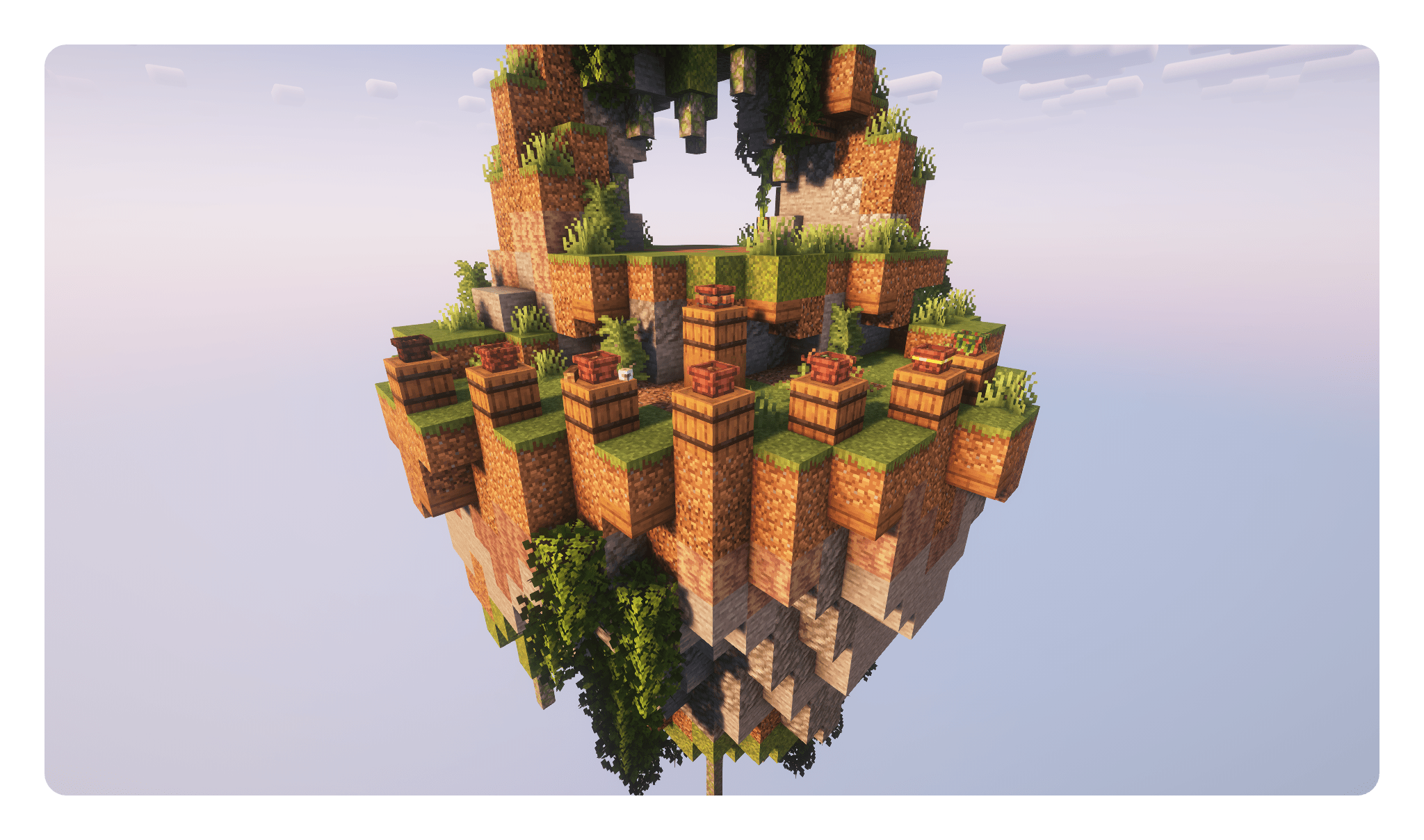
With 2.0, Botanical Pots now require their own resource pack to stay visually appealing. The appearance of all pots, even the base one, was changed to a custom model, reducing the required amount of entities per pot from 12 to a single one.
Upgrades have also gotten a unique look. But their looks aren't the only change...
Upgrades 🪽
With 2.0, you can no longer craft upgrades in a crafting table. That system was scratched and re-imagined. The goal of the new system is for the upgrades to remain a side task, and not something you go out of your way to obtain. Each upgrade is now obtained through its dedicated, usually simple, task. The tasks are described in the Advancements Menu.
For example, the Rich Soil upgrade can now be obtained with a 20% chance by manually composting some plant matter.
Two upgrades were removed from the game. Them being the Watering and the Photosynthesis upgrades. Though the functionality of the Photosynthesis upgrade was incorporated into the default pot behavior. All saplings now have a 25% chance of producing some leaves. Of course, still influenced by the respective speed modifier.
One new upgrade was added, though. The Mechanical Upgrade. ...But, we challenge you to obtain one yourself instead of describing its functionality. Hehe.
Magnifying Glass
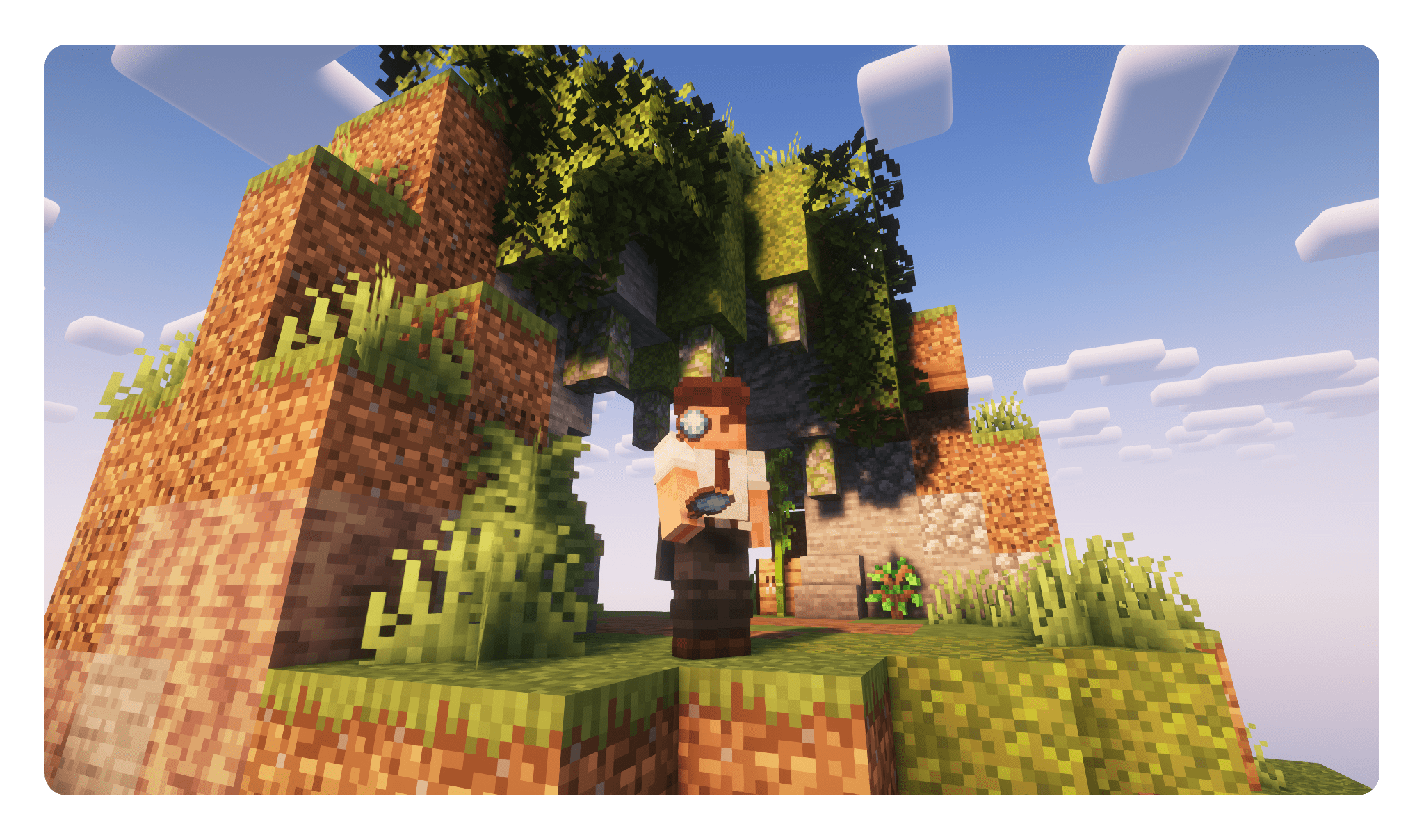
I'm happy to introduce the Magnifying Glass. It can be considered a guidebook of sorts, without actually being a book. Pretty wild, eh?
The magnifying glass allows you to "investigate a plant by examining it thoroughly". It will then yield the plant's Suitable Biome, Speed Modifier, and Treat. Only the applicable information for the specific plant type is shown.
Once again, you investigate plants; not pots.
Now, since I had to draw so many textures for this single update, I figured it wouldn't hurt if biomes, speed modifiers, and treats had their own textures.
Speed Modifiers, there are 5, are now named. Below is the spectrum, with their respective numeric values. If you're lost, see the Changelog for 1.7.
Stalwart: 50 » Rooted: 75 » Vulgaris: 100 » Pretentious: 150 » Delicate: 200
💡 Pro Tip
Rich Soil is required if the speed modifier of the plant is either pretentious or delicate.
A single magnifying glass is given to you once you join the world for the first time.
Other Changes⚙️
- Both azalea and flowering azalea no longer produce moss as one of their treats.
- Pale Oak is now fully supported by pots. It's stalwart and produces resin clumps as its treat.
- Fern is now fully supported. It's pretentious and produces no treats.
- Cacti now produce a Cactus Flower as their treat.
- Some advancements were removed or moved around, and loads of upgrade-specific ones were added.
Supplementary resources
| File | Type | Size | |
|---|---|---|---|
| BotanicalPots [RP].zip | Required resource pack | 41.97 KiB |